Views: 261123 Author: Site Editor Publish Time: 2026-11-23 Origin: Site
If you manufacture marine boat hulls, industrial chemical tanks, cooling towers, or heavy-duty composite panels and need a high-strength bidirectional fabric that cuts resin consumption and prevents delamination, this practical FAQ guide covers everything you need to know about Fiberglass Woven Roving.
Is YUNIU Fiberglass Woven Roving suitable for my composite manufacturing process?
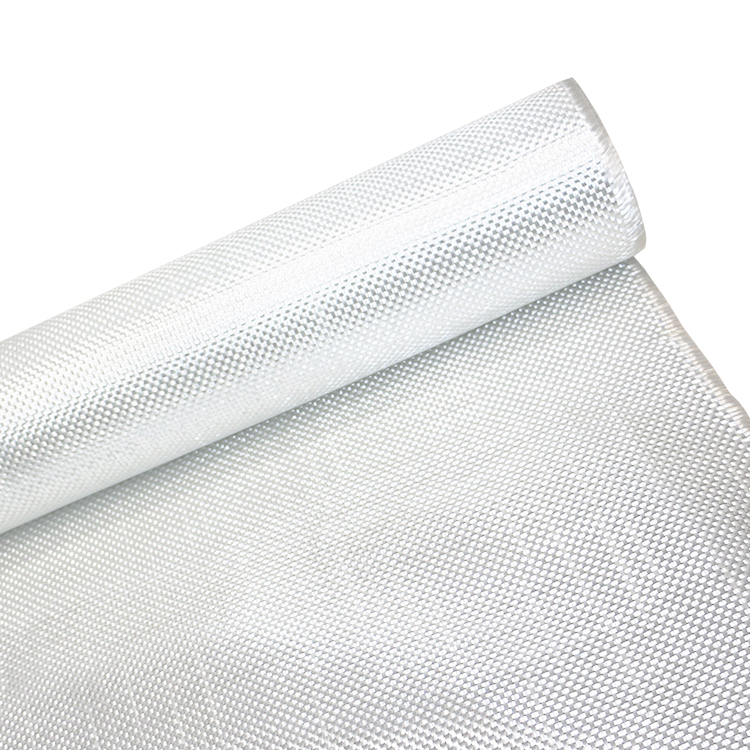
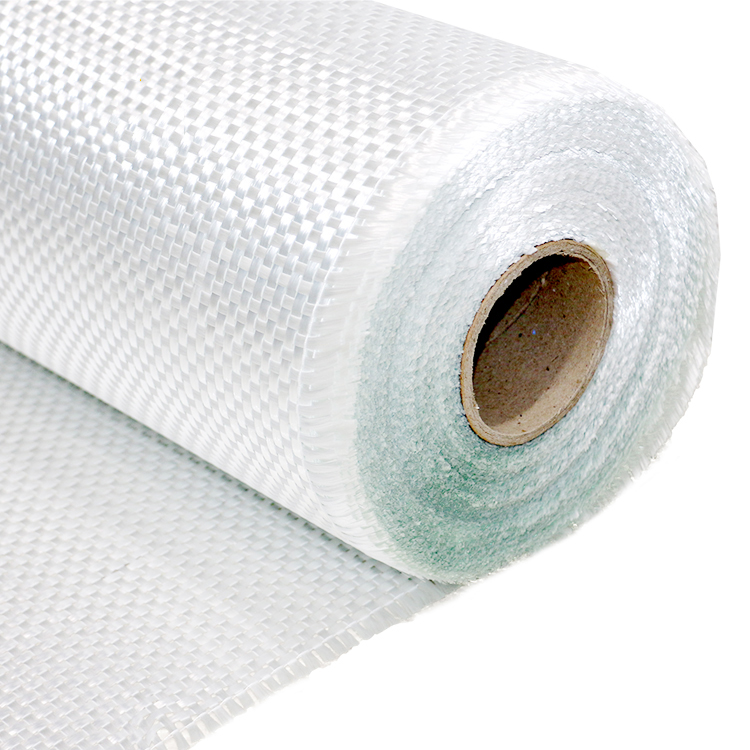
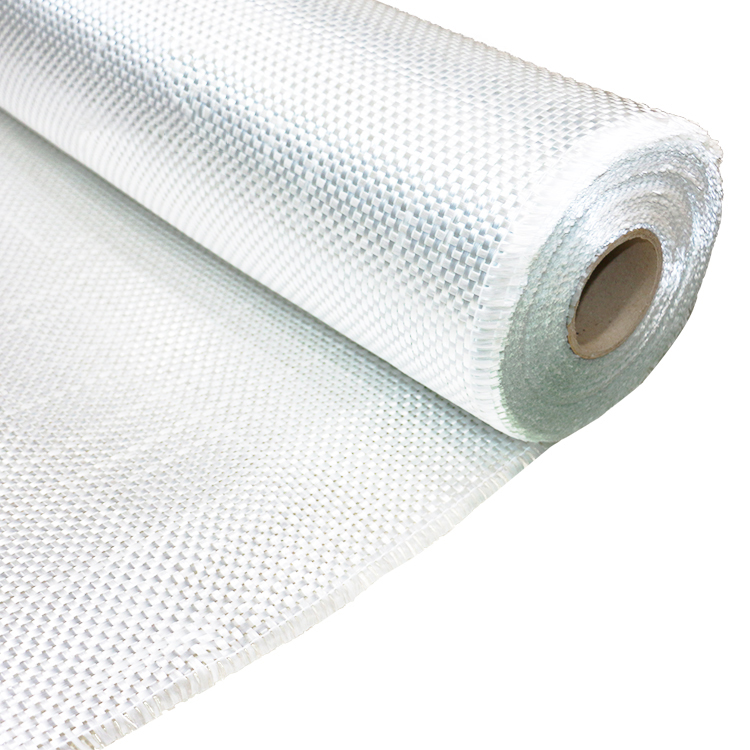
Yes. YUNIU Fiberglass Woven Roving is a heavy-duty bidirectional reinforcement fabric woven from continuous E-glass direct rovings in a balanced plain or twill weave.
It is ideal for:
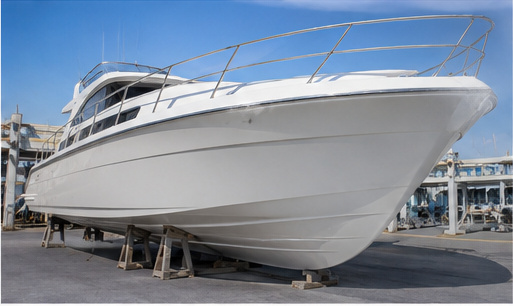
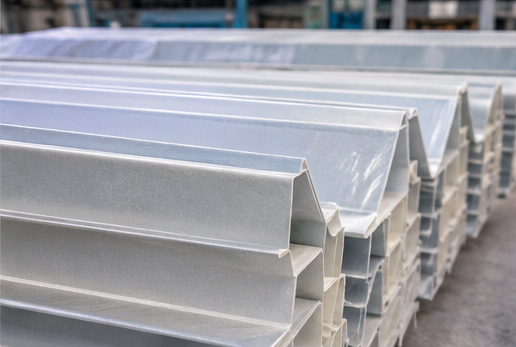
Marine & Boat Building: Structural lamination of boat hulls, bulkheads, stringers, transoms, and deck reinforcements.
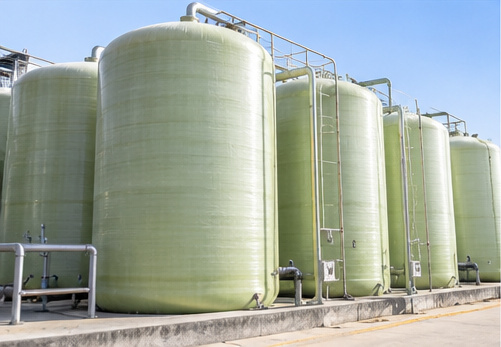
Corrosion-Resistant Storage: Chemical storage vessels, septic tanks, scrubbers, and industrial FRP piping.
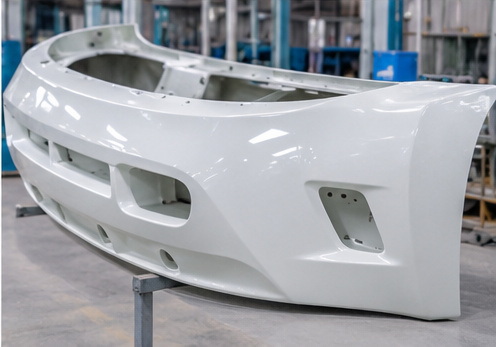
Automotive & Commercial Vehicles: Truck body panels, bus roofs, heavy machinery covers, and trailer floors.
Cooling Towers & Infrastructure: Structural beams, walkways, architectural panels, and anti-corrosion linings.
Why should I layer Woven Roving with Chopped Strand Mat (CSM) instead of using Woven Roving alone?
While Woven Roving delivers exceptional tensile and flexural strength along the 0∘0∘ and 90∘90∘ axes, stacking multiple layers of woven roving directly against each other can lead to weak interlayer bonding and fiber print-through.
The industry-proven CSM + Woven Roving sandwich method delivers superior performance:
Eliminates Delamination: The random fibers of Chopped Strand Mat interlock deeply into the weave gaps of the woven roving, maximizing interlaminar shear strength.
Prevents Surface Print-Through: A layer of CSM or surface veil behind the gel-coat prevents the coarse grid texture of the woven roving from showing on the outer gel-coat finish.
Rapid Thickness Buildup: Alternating CSM and Woven Roving allows fabricators to achieve structural wall thickness with fewer total lay-up cycles.
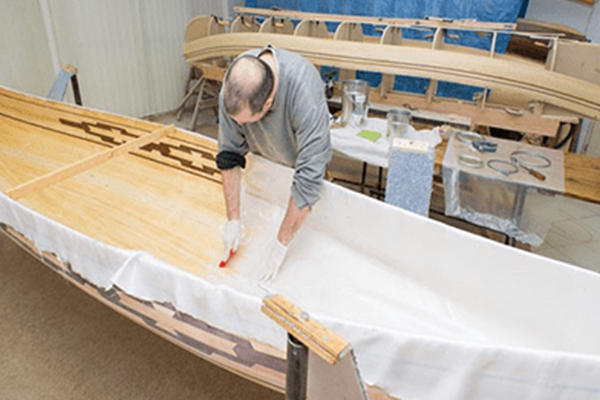
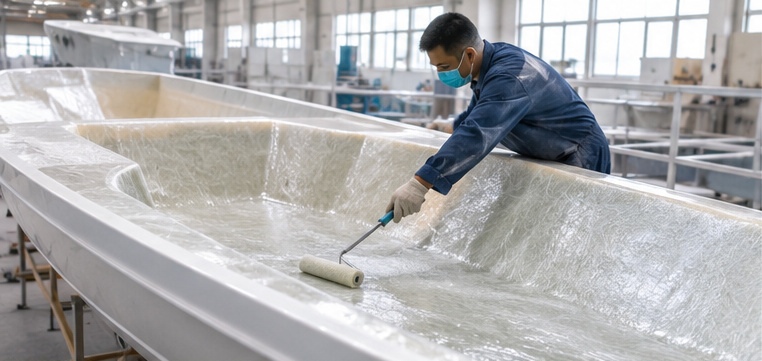
How does YUNIU Woven Roving help me reduce resin consumption and prevent dry spots?
In hand lay-up and vacuum molding, poor-quality roving absorbs excessive resin, unravels at the edges, or traps air bubbles. YUNIU Woven Roving eliminates these issues:
Balanced Weave Density (Saves Resin): Tightly controlled warp and weft tension prevents loose gaps, reducing resin-rich pooling and optimizing the glass-to-resin ratio.
Fast & Complete Wet-Out: High-performance silane sizing ensures rapid resin penetration, making it easy for laminators to roll out air and avoid dry white patches.
High Structural Stability (No Distortion): The fabric maintains its square weave structure without sliding or skewing when trimmed, repositioned, or pulled over complex mold contours.
Resin Compatibility: Fully compatible with Unsaturated Polyester (UP), Vinyl Ester (VE), and Epoxy resin systems.
What areal weight (g/m²) and roll width of YUNIU Woven Roving should I choose?
Selecting the right weight depends on your target laminate thickness and structural loading requirements:
200g – 400g/m²: Lightweight structural layers for small marine parts, fairings, and thin-wall enclosures.
600g/m² (Most Popular Global Standard): The versatile standard for boat hull lamination, water tanks, and industrial FRP covers (~0.7 mm to 0.9 mm cured thickness per layer).
800g/m²: Heavy structural reinforcement for large yacht hulls, heavy-duty chemical tanks, and industrial structural bases.
Standard Roll Widths: 1.0 m, 1.25 m, and 1.27 m (custom roll widths and slit tape widths available upon request).
What export packaging and supply terms does YUNIU factory offer for international fabricators?
As a primary fiberglass manufacturer based in Xingtai, China, YUNIU factory provides dependable industrial packaging and direct container  delivery:
Protective Packaging: Each roll is packed in an individual moisture-proof plastic bag and placed in a sturdy carton, or vertically/horizontally palletized with multi-layer stretch wrap.
Stable Quality Control: Strict areal weight tolerance and automated weaving tension monitoring ensure consistent roll quality from end to end.
Fast Container Supply: Automated high-speed looms and ready inventory of standard specifications (400g/600g/800g) ensure rapid container dispatch.
Summary
Maximizing composite structural strength while cutting fabrication costs comes down to three key practices: utilizing high-tenacity bidirectional woven roving for primary load-bearing, interleaving with Chopped Strand Mat (CSM) to eliminate delamination, and choosing a balanced weave that wets out quickly without trapping excess resin. YUNIU Fiberglass Woven Roving provides boat builders, tank manufacturers, and composite fabricators worldwide with a cost-effective, high-integrity reinforcement solution that shortens lamination cycles and ensures lasting durability.